Browse assistance with daily living
Home Care Support: Personalized Care for Elderly
Home care solutions play an essential role in assisting seniors as they manage daily life. These programs provide customized support tailored complete info to individual needs, encouraging independence while ensuring safety. Beyond physical tasks, they also provide emotional support, tackling feelings of isolation. Understanding the various aspects of home care can be complicated, yet it is crucial for families seeking the best options for their loved ones. The next steps in this process are critical.
Why Seniors Should consider Home Care Options
Seniors grow older and typically experience diminished ability to perform daily activities, necessitating the need for home care solutions. Numerous individuals face difficulties such as mobility issues, ongoing medical problems, and mental deterioration, making activities difficult progressively. Home care support offer essential support, allowing seniors to maintain independence while getting personalized assistance tailored to their individual requirements.
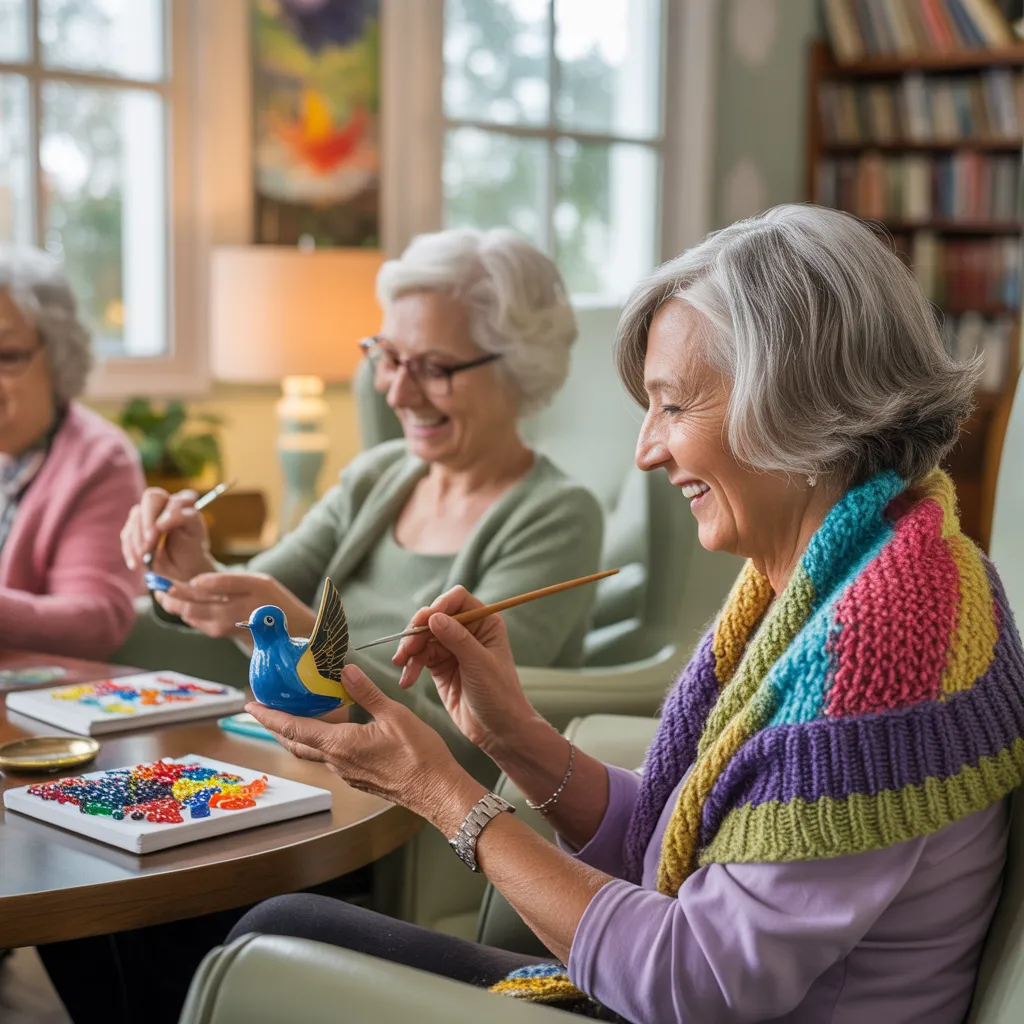
These offerings often include assistance with meal preparation, medication management, and personal hygiene, which can greatly enhance the standard of living. Moreover, home care addresses the emotional well-being of seniors by offering friendship and social engagement, decreasing feelings of loneliness and isolation.
Additionally, home care alternatives are flexible, permitting families to modify the degree of care as their loved one's needs shift. This versatility ensures that seniors receive the appropriate support, fostering a safe and nurturing environment for aging in place. Ultimately, home care alternatives are important for promoting health and dignity in the later stages of life.
Approaches to Assess Your Treasured One's Demands
How can families effectively determine the specific needs of their aging loved ones? Assessing these requirements begins with open communication. Families should participate in candid discussions, allowing seniors to express their wishes and worries. Observing everyday habits can also offer understanding into areas requiring assistance, such as movement difficulties or difficulty with household tasks.
Furthermore, households can conduct a thorough evaluation by speaking with medical professionals who can determine health-related needs. This may include seeing the loved one's doctor or reviewing recent medical records. It is crucial to take into account mental and interpersonal requirements, as companionship and mental well-being are critical for seniors.
Finally, households should evaluate the home environment to identify potential hazards or modifications necessary for safety. By merging these approaches, families can build a detailed understanding of their family member's requirements, producing more informed decisions regarding fitting in-home care options.
Key Varieties of Home Care Programs for Aging Adults
Comprehending the specific needs of elderly relatives sets the foundation for opting for appropriate home care packages. Various essential varieties of home care services respond to these circumstances, guaranteeing seniors enjoy the support necessary for their well-being.
Personal care services concentrate on assistance with daily activities such as bathing, dressing, and grooming. Companionship offerings offer psychological assistance and community interaction, working to reduce emotional isolation. Medication management guarantees that seniors adhere to their medication schedules, reducing health risks.
Additionally, home health care furnishes expert nursing support for those demanding medical attention, encompassing dressing changes and physical therapy. Respite care allows family caregivers momentary breaks, pledging they can refresh themselves while ensuring their loved ones remain in care. By understanding these service types, kinship groups can determine the best course that enhance the life quality for their elderly loved ones.
Recognizing the Benefits of Bespoke Help
Bespoke assistance greatly improves the standard of care for older adults, tackling their unique requirements and preferences. By adapting services to individual specifications, care providers can cultivate a feeling of dignity and self-determination, which is vital for emotional and psychological health. This tailored approach frequently leads to improved health results, as older adults are increasingly apt to adhere to treatment plans that resonate with their ways of living.
Furthermore, individualized support helps stronger relationships between caregivers and seniors, enhancing trust and open communication. This relationship allows caregivers to better understand the emotional and physical challenges dealt with by seniors, resulting in more effective interventions. Additionally, it permits families to feel more involved in the care process, alleviating concerns about their loved ones’ welfare. Overall, tailored support not only improves the quality of care but also enriches the lives of seniors, giving them the comfort and security they require in their golden years.
Picking the right in-home care service can appear overwhelming, yet it is a vital choice for households seeking the finest care for their elderly loved ones. To get started, households should evaluate the particular needs of their loved ones, including medical requirements, help with everyday activities, and social interaction. Researching nearby services is critical; households can consult internet ratings, seek recommendations from friends, or contact community senior organizations for assistance.
Once potential providers are recognized, guardians should plan consultations to measure the quality of care offered. Learn about team credentials, preparation, and track record in dealing with similar situations. Additionally, it is vital to talk through support frameworks and versatility in services, verifying they can adapt to changing needs. To conclude, verifying qualifications and licenses provides assurance of observance with state regulations. By carefully evaluating these factors, families can make informed choices that correspond with their loved ones' distinct requirements and preferences.
Home Care Budget Overviews
Maneuvering the financial landscape of home care can be challenging for families, as expenses can vary greatly based on needed services, location, and the degree of care required. On average, hourly fees for home care services fall between $20 to $50, depending on the complexity of care. Basic help with everyday tasks typically costs less than specialized medical support, which can increase costs significantly.
Geographic location serves as a key factor in affecting costs; urban areas often have increased pricing compared to rural regions. Additionally, families may encounter different rate options, such as hourly, daily, or live-in rates. Insurance coverage can add complexity to financial planning, as not all policies cover home care expenses. Families are advised to investigate available financial aid, such as government programs and community resources, which can help alleviate some of the financial burden associated with home care services. Understanding these cost dynamics is crucial for informed decision-making.
Strategies for Connecting With Home Care Staff
How can families communicate their needs effectively to in-home care providers? Clear communication is essential for making sure that seniors receive the right care. To begin, families should detail specific needs and preferences, covering daily routines, medical conditions, and personal interests. Providing detailed information permits caregivers to customize their strategy productively.
Second, setting up effective communication lines is crucial. Families should feel secure raising inquiries and offering feedback regarding the care being rendered. Ongoing check-ins can help manage any concerns without delay.
Third, using written communication, such as care logs or journals, can assist in tracking shifts in behavior or health, which is beneficial for both families and professionals. Finally, building a collaborative relationship promotes mutual respect and understanding, leading to better care results. By implementing these strategies, families can establish a supportive environment that improves the home care journey for their family members.
Commonly Posed Questions
How Should I Include My Aging Parent in Care Decision-Making?
Involving a senior in care decisions can be achieved by facilitating open discussions, genuinely hearing to their preferences, supplying information about possibilities, and valuing their choices, eventually cultivating a sense of autonomy and confidence.
What Clues Suggest That In-home Care Is Required?
Signs that home care is needed comprise trouble with routine tasks, frequent falls, being cut off from society, untreated health problems, neglect of personal hygiene, and mounting disorientation or memory loss. Family input can also illuminate these concerns.
Is It Feasible to Adapt In-Home Care Services as Time Goes On?
Yes, residential care programs can be customized over time. As circumstances shift, caregivers can fine-tune the amount of help, frequency of visits, and varieties of care provided, ensuring excellent care for individuals throughout their journey.
How Do I Handle Caregiver Transitions or Changes?
Managing caregiver changes necessitates clear communication. Fostering trust and continuity through slow introductions and detailed care instructions can ease shifts, guaranteeing that both seniors and care providers feel supported and at ease throughout the process.
What Are Frequent Misconceptions About In-Home Care for Seniors?
Widespread beliefs about at-home care for seniors incorporate assumptions that it is exclusively for the terminally ill, considerably expensive, or that caregivers lack necessary training. In essence, home care offers diverse possibilities tailored to individual needs.